
When the rain pours and floodwaters rise in Victoria, mould isn’t far behind. What starts as a soggy carpet or a damp wall can quickly become a serious health hazard—and it’s far more common than most people realise. In these situations, timely mould remediation is essential to stop mould from spreading and to protect both your health and property.
Whether you’re in Geelong, Ballarat, or the Melbourne suburbs, floods can leave behind more than just mud and mess. They invite hidden moisture deep into your home—under floors, behind walls, and in ceiling cavities. And where there’s moisture, mould follows fast, often staying hidden until major damage is done.
Why Flood Season Triggers a Mould Crisis
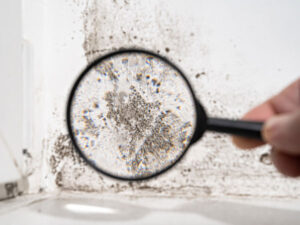
Victoria’s seasonal storms and flooding make the perfect breeding ground for mould. Homes hit by even mild flooding can suffer water damage that goes unnoticed. That damp air and waterlogged material become a silent invitation for spores to spread. Once it takes hold, mould can damage your home, trigger allergies, and even lead to respiratory problems.
Many residents don’t realise the urgency. The first 48 hours after flooding are critical. Miss that window, and the chances of needing professional mould restoration rise sharply.
So what can you do? Here’s a practical, easy-to-follow mould remediation checklist for Victoria households to follow right after flood season.
Victoria Flood Mould Remediation Checklist for Homeowners
1. Prioritise Safety First
Before even thinking about mould, check your home’s structural integrity. Call professionals if there’s visible damage to walls, ceilings, or power lines. Don’t enter without clearance if there’s any risk.
Wear protective gear, such as gloves, masks (P2 or N95), and goggles. Floodwater isn’t just water—it’s often filled with bacteria, chemicals, and sewage.
2. Start Drying Immediately
Moisture is mould’s best friend. The faster you remove it, the better.
- Open all windows and doors.
- Use fans and dehumidifiers.
- Remove carpets, rugs, and wet furniture.
- Pull up vinyl or laminate flooring if there’s water underneath.
Even if things look dry on the surface, trapped moisture underneath floorboards or behind walls can lead to long-term problems.
3. Clear Out Water-Damaged Materials
Any porous material that has been soaked for more than 24–48 hours may need to be discarded.
- Soft furnishings
- Insulation
- Drywall and plaster
- Cardboard boxes
Don’t try to salvage mouldy items without expert advice. You could accidentally spread spores.
4. Clean with Anti-Microbial Solutions
Scrubbing with just soap and water might remove visible stains but doesn’t stop spores from returning. Use anti-fungal and anti-bacterial cleaners designed for flood-damaged homes.
Focus on walls, ceilings, floors, and any exposed framing. Let surfaces dry completely before sealing or painting.
5. Watch for Early Signs of Mould
Some moulds are sneaky. They grow behind walls, under floorboards, and in ceiling cavities. Be alert for:
- Musty smells
- Discoloured patches
- Peeling paint
- Health symptoms (sneezing, coughing, headaches)
If you spot signs, act fast. Waiting only makes things worse—and costlier.
6. Get a Professional Mould Assessment
This step can’t be overstated. Many cases of post-flood mould don’t show up until weeks later. That’s where mould restoration services come in.
A specialist will:
- Inspect your entire property
- Use moisture meters and infrared cameras
- Identify hidden mould
- Recommend the right treatment
Choosing professional mould restoration ensures the job is done safely and thoroughly.
Why You Shouldn’t DIY Serious Mould Problems
You’ve scrubbed and sprayed. The smell’s gone, and the wall looks cleaner. But is the mould gone?
DIY might be okay for minor patches, but flood-affected homes often have deep-rooted problems. That’s where services like mould removal and mold remediation Victoria come in.
Specialists don’t just clean; they treat the root cause. They stop mould from spreading, restore damaged areas, and help prevent regrowth. It’s not just about appearances—it’s about safety.
Ignoring mould can lead to:
- Respiratory issues
- Structural damage
- Recurring infestations
- Lower property value
If you’re a landlord or property manager, professional documentation from a mould restoration service is often needed for insurance or tenancy compliance.
Frequently Asked Questions by Victoria Residents
How much does professional mould restoration cost in Victoria?
Costs vary based on the extent of damage, property size, and the affected materials. Expect anywhere from $500 for minor jobs to several thousand for full-home remediation.
How long does mould remediation take?
A basic job might take a day or two. Larger projects can stretch to a week or more.
Can I use bleach to clean mould?
Bleach may remove stains, but it doesn’t penetrate porous materials. Mould often regrows, and bleach fumes can be hazardous.
Will insurance cover mould repairs?
Sometimes, it depends on your policy and whether the damage was sudden or caused by neglect. Always check with your insurer.
Is all mould dangerous?
Not all types are toxic, but any unchecked mould growth can affect health, especially for kids, seniors, or people with asthma.
Final Thoughts: Be Proactive, Not Reactive
Flooding is unpredictable. Mould doesn’t have to be.
Following this checklist and seeking help from trusted mould restoration services protects your home, health, and peace of mind. Whether it’s a quick spot treatment or complete mould repairs, don’t wait for problems to spiral.
Mould is a quiet threat—but one you can control with the proper steps and help.
Need Help After Flooding? Get Professional Support Now
If you’re unsure whether the mould in your home is severe, don’t take chances. Book an inspection with a certified expert in mould removal or remediation in Victoria. Don’t wait for visible signs to appear—early action can save you from costly repairs and health risks.
Victoria Restoration helps you act fast with expert mould remediation services tailored to flood-affected homes. Contact us today to schedule your inspection and protect your property.