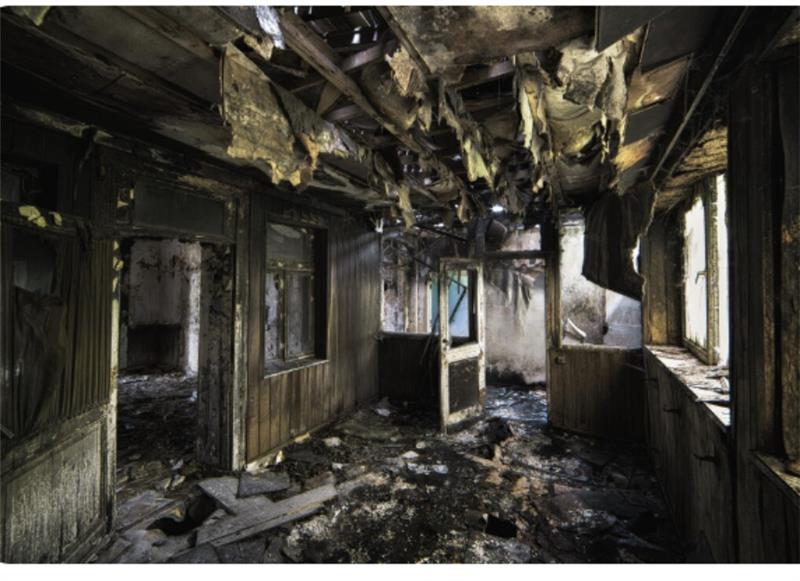
When a fire is finally extinguished, many property owners feel relieved—until they notice the lingering smell, stains, and health effects that follow. Smoke damage restoration Victoria is more than just cleaning. It is a vital process that protects your home, health, and long-term property value.
Fire leaves behind more than visible destruction. Smoke penetrates deeply, clinging to walls, ceilings, floors, furniture, and even ventilation systems. In addition, soot spreads through every room, whether the fire was large or small. That is why professional restoration teams act quickly to remove harmful particles, restore indoor air quality, and return your property to a safe condition.
In this detailed guide, you’ll learn how smoke and soot damage works, why professional help is essential, and what steps experts take to restore a property. You’ll also discover how solutions like odour control, air filtration, fire residue removal, HVAC cleaning, and complete property restoration protect your home for the long term.
Understanding Smoke Damage and Its Long-Term Impact
Smoke behaves differently from fire. While flames cause immediate destruction, smoke spreads quickly and seeps into materials at a microscopic level. It moves through cracks, vents, insulation, and electrical fixtures. This silent movement makes smoke highly destructive even after the fire is out.
Why Smoke Spreads Faster Than Fire
Smoke contains tiny particles, gases, and chemicals that travel easily through the air. Since hot air rises, smoke first moves upward, then circulates through entire rooms. As it cools, it settles on surfaces, leaving behind soot, strong odours, and harmful residue.
Types of Smoke Residue
Different fires create different residues. Each type requires unique cleaning techniques:
1. Dry Smoke Residue
Created by fast-burning fires.
Light but spreads widely.
2. Wet Smoke Residue
Sticky and heavy.
Difficult to clean and strongly odorous.
3. Protein Residue
Often from kitchen fires.
Leaves invisible but powerful odours on surfaces.
4. Fuel or Oil Residue
Rare, but extremely difficult to remove.
Professional smoke damage restoration Victoria teams identify the correct residue type before treatment begins. This ensures that surfaces are cleaned without causing additional damage.
Why Smoke Damage Continues Long After a Fire
Smoke and soot don’t simply fade away. They actively worsen over time.
Corrosion and Material Decay
Soot is acidic. When it sits on metal, plastic, or electrical components, it causes corrosion. Appliances and wiring may fail sooner if not properly cleaned.
Permanent Staining
Walls, ceilings, tiles, and fixtures can develop permanent yellowing. The longer residue stays, the harder it is to remove.
Health Concerns
Smoke particles are tiny—often smaller than dust. These particles can irritate lungs, trigger asthma, and worsen allergies. Children, elderly people, and pets are especially vulnerable.
Odours That Never Go Away
Without professional odour control, the smell of smoke can remain in carpets, upholstery, drywall, and HVAC systems. In many cases, homeowners notice the smell again during humid weather, even months later.
This is why early restoration matters.
Professional Smoke Damage Restoration Victoria: Why It’s Essential
Many property owners attempt DIY cleaning after a fire. Unfortunately, smoke and soot require specialized equipment and advanced techniques.
Here’s what makes professional restoration essential:
Advanced Inspection Tools
Experts use moisture meters, thermal imaging, and air-quality monitors. These tools help locate hidden smoke pockets inside walls, ceilings, and ventilation systems.
Effective Odour Control Solutions
Standard household cleaning products cannot remove deep smoke odours. Restoration experts use:
- Thermal fogging
- Ozone treatments
- Hydroxyl generators
These solutions neutralize odours rather than masking them.
Deep Air Filtration
High-quality air filtration using HEPA-filtered air scrubbers removes airborne soot particles. This improves indoor air quality and prevents ongoing health issues.
Safe Fire Residue Removal
Soot contains toxins and chemicals. Professionals use PPE and specialized cleaning agents designed for fire residue. This prevents smearing, staining, or spreading soot to clean areas.
Complete HVAC Cleaning
Because smoke travels through ducts, HVAC cleaning is essential. Without it, soot will circulate again, even after surfaces are cleaned.
Full Property Restoration
Professional teams handle everything from cleanup to repairs, helping homeowners return to normal quickly.
For more information about complete restoration services, visit our property restoration page on https://www.vicre.com.au/.
Stages of Smoke Damage Restoration Victoria
Here’s a clear breakdown of how experts restore a fire-affected property:
Stage 1: Initial Assessment and Safety Check
Professionals begin by evaluating structural safety, electrical hazards, and water damage. They also identify the type of smoke residue and the level of contamination.
Stage 2: Air Filtration and Ventilation Setup
Using HEPA air scrubbers, technicians begin filtering fire residue from the air. Proper ventilation helps minimize airborne particles and reduces odour intensity.
Stage 3: Soot and Fire Residue Removal
This stage includes:
- Vacuuming surfaces with specialized HEPA vacuums
- Wiping walls and ceilings with dry sponges
- Cleaning hard surfaces with non-acidic agents
- Using alkaline cleaners for stubborn soot
These steps prevent soot from settling deeper into materials.
Stage 4: Odour Control and Neutralization
Odours are removed using a mix of:
- Thermal fogging
- Ozone treatments
- Vapour diffusion
- Enzyme-based deodorizers
This ensures long-term odour elimination.
Stage 5: HVAC Cleaning
Technicians clean:
- Air ducts
- Filters
- Supply and return vents
- Furnace or AC interior components
This step prevents recontamination of cleaned areas.
Stage 6: Final Property Restoration
Depending on the fire, restoration may include:
- Painting
- Drywall replacement
- Flooring repairs
- Furniture restoration
- Structural repairs
These steps ensure your home is safe, livable, and odour-free.
Odour Control and Air Filtration: Why They Matter
Two key services—odour control and air filtration—play a major role in smoke recovery.
Odour Control
Smoke odour lingers in:
- Carpets
- Curtains
- Upholstery
- Clothing
- Drywall
- Wood
Advanced deodorization methods help break down smoke molecules at the source.
Air Filtration
HEPA air scrubbers trap microscopic particles before they settle back onto surfaces. This helps restore healthy indoor air quality.
Both services are crucial for complete smoke damage restoration Victoria.
How Smoke Affects Different Materials
Drywall
Absorbs smoke quickly. If the damage is severe, replacement is required.
Wood
Smoke settles into pores, making odour removal challenging.
Carpet and Upholstery
Textile fibres trap soot and odours. Deep cleaning or replacement may be needed.
Glass and Metal
Although easy to clean, soot can cause long-term corrosion.
Preventing Future Smoke Damage
While fire emergencies aren’t always preventable, several steps can help reduce smoke damage:
- Install working smoke alarms
- Keep HVAC filters clean
- Schedule regular duct cleaning
- Store fire hazards properly
- Install fire extinguishers
These small steps can help protect your property long term.
Why Choose a Local Smoke Damage Restoration Service in Victoria?
Local restoration experts understand:
- Victorian climate and humidity conditions
- Local building structures
- Common fire types
- Community regulations
A local team also responds faster, reducing long-term damage.
To learn more about restoration solutions available in Victoria, explore our services contact us.
Conclusion
Smoke damage can linger long after a fire, affecting your property and health. With proper smoke damage restoration Victoria, you can remove fire residue, restore indoor air quality, eliminate odours, and protect your home from long-term damage. Professional solutions such as odour control, air filtration, HVAC cleaning, and property restoration ensure that your home becomes safe, clean, and comfortable once again.
Frequently Asked Questions
1. How long does smoke damage restoration take?
Most small to medium restorations take three to seven days. Larger jobs may take longer due to structural repairs and deep odour removal.
2. Can I clean smoke damage myself?
Basic wiping won’t remove deep soot or odours. Professional restoration ensures safety, complete cleaning, and long-term results.
3. Will insurance cover smoke damage restoration?
Many fire or home insurance policies cover restoration. It depends on your provider and policy details.
4. Why does the smoke smell return during humid weather?
Moisture reactivates smoke molecules trapped in walls and fabrics. Proper odour control treatments eliminate this issue.
5. Is HVAC cleaning necessary after a fire?
Yes. Smoke travels through ducts and spreads residue throughout the home. Cleaning the HVAC system prevents recurring odours and contamination.