
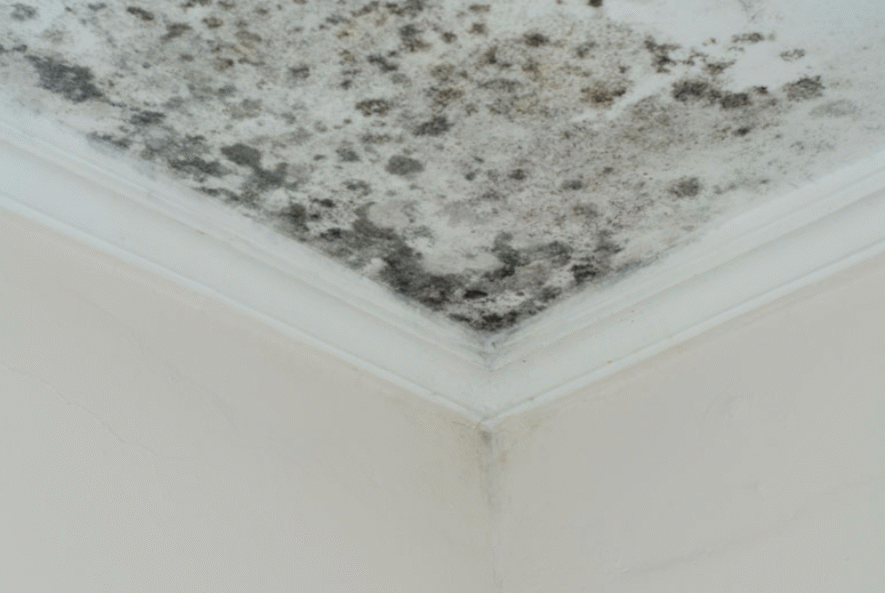
Mould is more than an unsightly problem on walls or ceilings it can be a serious health risk if left untreated. Across Victoria, changing weather conditions, seasonal humidity, and inadequate ventilation make homes vulnerable to mould growth. Many homeowners underestimate how quickly mould spreads and the dangers it poses to respiratory health and property value.
At Victoria Restoration Experts, our specialists in mould remediation in Melbourne and across Victoria have seen firsthand how toxic mould can impact families. Understanding mould identification in Victoria is your first line of defense against potential health issues and property damage.
This guide explains how to identify toxic mould, recognize black mould signs, and implement preventive steps through safe removal, moisture control, and professional mould inspection in Melbourne.
What Is Toxic Mould?
Toxic mould refers to specific types of mould that produce mycotoxins — harmful substances that can affect human and animal health. The most notorious of these is Stachybotrys chartarum, commonly known as black mould.
Toxic mould thrives in damp, poorly ventilated areas such as bathrooms, basements, kitchens, and spaces affected by water leaks. When disturbed, mould releases microscopic spores into the air that can travel throughout your home. Breathing these spores may cause allergies, fatigue, breathing difficulties, or more serious long-term health problems.
Early mould identification helps prevent these spores from spreading and protects both your family and your property.
Common Causes of Toxic Mould Growth in Victoria Homes
Understanding what causes mould to appear is the key to preventing it. Victoria’s weather patterns and local building conditions often create perfect conditions for mould to thrive.
Some of the most common causes include:
1.Water Leaks: Hidden leaks behind walls, under sinks, or around roofing joints create moisture pockets ideal for mould.
2. Condensation: In cold weather, warm indoor air meets cold surfaces, forming condensation that encourages mould growth.
3. Poor Ventilation: Inadequate air circulation in bathrooms, kitchens, or laundry rooms traps moisture.
4. Flood or Storm Damage: Even after visible water is removed, residual dampness can lead to mould.
5. Humidity: Victoria’s variable climate and seasonal humidity provide ideal conditions for mould spores to grow.
For homes that have experienced water damage, a professional mould inspection in Melbourne is highly recommended to locate hidden mould colonies.
How to Visually Identify Toxic Mould
Spotting mould early can make the difference between a quick cleanup and a large-scale mould remediation project. Look for these black mould signs and visual indicators:
1. Discoloration
Black, green, or dark grey spots spreading across ceilings, walls, or tile grout.
Patches may appear slimy or powdery in texture.
2. MustyOdour
A persistent, earthy, damp smell is often one of the first signs of mould before it becomes visible.
3. Surface Damage
Paint peeling or wallpaper bubbling could signal hidden moisture behind surfaces.
4. Condensation or Dampness
Windows, walls, or floors that remain damp or foggy indicate poor ventilation or a moisture source feeding mould growth.
If you notice these symptoms, consider scheduling a professional mould inspection in Melbourne to confirm whether the mould is toxic.
The Health Symptoms of Mould Exposure
Toxic mould can have serious health effects, particularly for children, the elderly, and people with allergies or asthma. Prolonged exposure may cause:
- Coughing, wheezing, or shortness of breath
- Eye, throat, or skin irritation
- Persistent headaches
- Fatigue and dizziness
- Sinus congestion or nasal irritation
In severe cases, mould exposure may aggravate respiratory conditions or lead to infections. When these symptoms coincide with visible black mould signs, it’s important to act quickly and contact experts in mould removal in Melbourne to assess and eliminate the problem safely.
Testing for Toxic Mould in Your Property
While some types of mould are harmless, you can’t always tell by sight alone. Professional mould identification in Victoria involves:
1. Visual Inspection: Specialists check visible mould growth and moisture-prone areas.
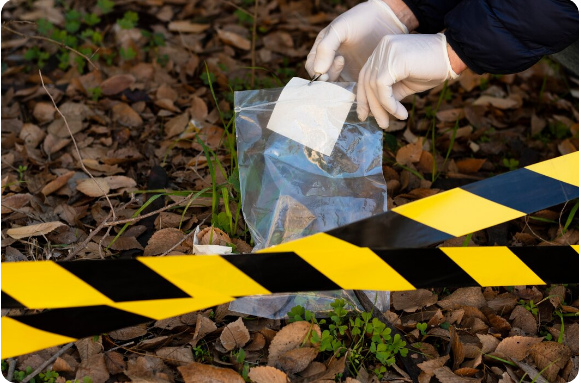
2. Air Quality Testing: Samples of indoor air are collected to measure spore concentration and identify mould types.
3. Surface Sampling: Swabs from affected surfaces are tested in a controlled environment.
4. Thermal Imaging: Detects hidden moisture behind walls or ceilings that may be supporting mould growth.
At Victoria Restoration Experts, our mould remediation in Melbourne process includes both inspection and air quality testing to identify and eliminate the source of contamination.
The Link Between Mould and Indoor Air Quality Risks
Poor indoor air quality is a common consequence of mould growth. Mould spores suspended in the air reduce oxygen levels and carry allergens that circulate through ventilation systems.
Inadequate air circulation not only spreads mould but also makes your heating and cooling systems less efficient. Over time, these spores settle in ducts and vents, turning them into hidden breeding grounds.
By maintaining your home’s air quality through regular cleaning and mould removal in Melbourne, you can create a safer living environment and reduce allergy triggers.
Safe Mould Removal vs. DIY Risks
It can be tempting to remove mould using household cleaners or DIY methods, but these rarely provide lasting results. Scrubbing visible mould can release spores into the air, spreading contamination to other areas.
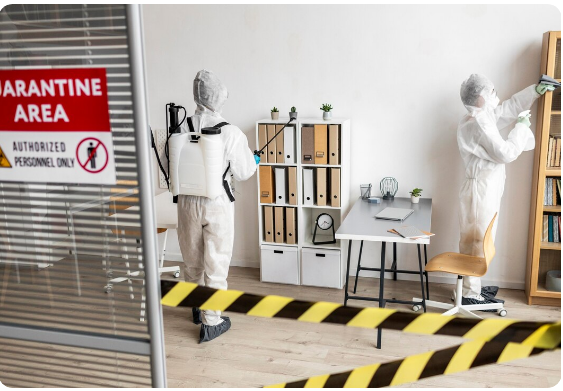
Professional mould remediation in Melbourne ensures the process is safe, thorough, and compliant with health and safety standards. Experts use:
- HEPA filtration systems
- Containment barriers to prevent spore spread
- Non-toxic, eco-friendly cleaning solutions
- Moisture detection tools to locate hidden sources
Choosing certified professionals for mould removal in Melbourne not only restores your property but also protects your indoor air quality and family’s health.
Moisture Control: The Secret to Long-Term Mould Prevention
Even after successful removal, mould can return if moisture problems remain unresolved. Moisture control is the foundation of any long-term prevention strategy.
Steps to Maintain Moisture Control:
1. Fix Leaks Promptly: Inspect roofs, plumbing, and windows regularly.
2. Improve Ventilation: Use exhaust fans in kitchens, bathrooms, and laundry areas.
3. Monitor Humidity Levels: Keep indoor humidity between 30–50 percent.
4. Use Dehumidifiers: Ideal for basements and poorly ventilated areas.
Inspect After Rain or Flooding: After heavy rainfall, check your property for dampness or leaks.
Combining these steps with regular mould inspection in Melbourne helps maintain a healthy, mould-free environment.
When to Call for Professional Help
You should contact a professional mould remediation team if:
- Mould covers more than one square metre
- You smell mould but can’t find its source
- Family members show unexplained allergy or respiratory symptoms
- The mould keeps returning despite cleaning
Professionals like Victoria Restoration Experts provide comprehensive mould identification in Victoria and follow a detailed process from inspection to removal and long-term prevention.
Professional Mould Remediation Process in Melbourne
At Victoria Restoration Experts, our process ensures complete mould removal and prevention:
1. Initial Assessment: Identify affected areas and determine contamination levels.
2. Containment: Prevent spores from spreading to other parts of the property.
3. Safe Removal: Use non-toxic, industry-approved cleaning agents.
4. Air Filtration: Remove airborne spores with HEPA systems.
5. Moisture Source Control: Address leaks or humidity sources to prevent recurrence.
6. Final Verification: Post-remediation testing confirms mould has been eliminated.
Each step is designed to restore your property safely and efficiently while improving indoor air quality.
The Role of Property Owners and Inspectors
For landlords, property managers, and building inspectors, proactive mould identification in Victoria protects tenant health and property integrity. Documenting inspection results, addressing leaks quickly, and scheduling regular maintenance reduces liability and prevents costly damage.
Conclusion: Take Action Against Toxic Mould
Toxic mould poses real risks to both health and property. Early detection, proper identification, and professional mould removal in Melbourne are essential steps to protect your family and maintain a safe living space.
Don’t wait until the problem worsens if you notice black mould signs, unusual odors, or recurring dampness, reach out to experts who specialize in mould remediation in Melbourne and mould inspection in Melbourne.
For fast, reliable solutions and professional advice on mould identification in Victoria, contact us today. Victoria Restoration Experts are here to restore your property and peace of mind.
Frequently Asked Questions
1. What are the first signs of toxicmouldin a home?
Black or greenish stains, a musty odour, and increased allergy symptoms are the most common early signs.
2.How can I confirm ifmouldin my house is toxic?
Professional mould testing and inspection are the most accurate ways to determine whether mould is toxic.
3. Can I removemouldmyself safely?
Minor surface mould may be cleaned, but toxic mould requires professional mould removal in Melbourne to ensure complete safety.
4. Doesmouldaffect air quality?
Yes. Mould spores circulate through the air, reducing indoor air quality and triggering respiratory issues.
5. How often should I schedule amouldinspection in Melbourne?
It’s recommended to have a professional inspection annually or after water damage events.