
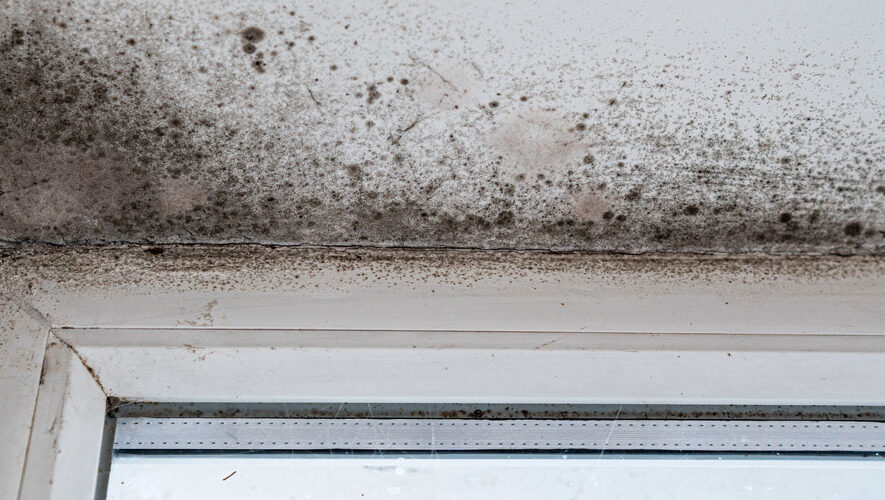
Mould in rental properties is a pressing issue for tenants and landlords across Australia, especially in regions like Victoria, where varying climate conditions can exacerbate mould growth. Whether addressing minor cases with mould removal or undertaking comprehensive mould remediation in Victoria, understanding responsibilities and preventative measures is vital for fostering safe and habitable rental environments.
Why Is Mould Removal Crucial in Victoria?
Victoria’s climate, ranging from humid coastal regions to cooler, damp interiors, makes rental properties particularly susceptible to mould. Mould removal is essential for several reasons:
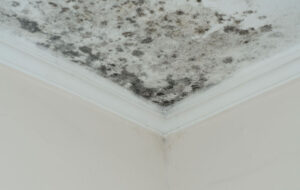
- Health Concerns
Exposure to mould can cause respiratory problems, skin irritation, and allergic reactions. Individuals with pre-existing conditions, such as asthma, are at greater risk. - Property Damage
Unchecked mould can degrade walls, ceilings, carpets, and even furniture, leading to expensive repairs. Investing in proactive mould remediation Victoria can prevent such damage. - Legal Responsibilities
Landlords are obligated to maintain properties that meet health and safety standards. Failure to address mould issues can lead to tribunal disputes.
Understanding Mould Growth in Victoria
Mould thrives in environments where moisture, warmth, and poor ventilation coexist. In Victoria, this is often the result of:
- Prolonged wet seasons, especially in coastal areas.
- Older homes with insufficient insulation or outdated ventilation systems.
- Structural issues such as rising damp, leaks, or poorly sealed windows.
Proactively addressing these factors can reduce the need for frequent mould removal Victoria efforts.
Tenant Responsibilities in Mould Management
Tenants play a key role in mould prevention and mould remediation in Victoria, as their actions directly influence indoor moisture levels.
1. Maintain Proper Ventilation
- Regularly open windows and doors to encourage airflow.
- Use exhaust fans in high-moisture areas such as bathrooms and kitchens.
2. Report Problems Promptly
- Notify the landlord of any water leaks, dampness, or visible mould as soon as they occur.
- Provide written documentation to establish a clear record of communication.
3. Regular Cleaning
- Clean tiles, countertops, and other moisture-prone surfaces regularly.
- Use safe, natural solutions, like white vinegar, for minor mould removal Victoria tasks.
4. Avoid Mould-Causing Behaviours
- Avoid drying clothes indoors without ventilation.
- Manage indoor humidity by using dehumidifiers when necessary.
Landlord Obligations for Mould Remediation in Victoria
Under tenancy laws, landlords must provide properties that are safe and habitable. In the context of mould remediation Victoria, this includes:
1. Preventative Maintenance
- Inspect and repair leaks in roofs, plumbing, or gutters promptly.
- Seal windows, doors, and areas prone to water ingress.
2. Improve Ventilation Systems
- Install and maintain exhaust fans in bathrooms and kitchens.
- Ensure all windows and doors are operable for proper ventilation.
3. Address Structural Issues
- Investigate recurring mould issues caused by structural defects such as rising damp or poor drainage.
- Engage professional contractors for long-term solutions and mould remediation in Victoria.
4. Act on Tenant Complaints
- Respond quickly to mould complaints to minimise health risks and property damage.
- Where required, hire licensed professionals for comprehensive mould removal.
Legal Obligations in Mould Disputes
In Victoria, tenancy laws enforce shared responsibilities between tenants and landlords. While tenants are expected to maintain cleanliness and notify landlords of issues, landlords must ensure their properties meet health standards.
1. Resolving Disputes
- In cases of disagreement, tenants can contact the Victorian Civil and Administrative Tribunal (VCAT) for resolution.
- VCAT considers factors such as the origin of the mould, maintenance records, and tenant behaviour.
2. Legal Outcomes
- Tenants may be entitled to compensation if landlords fail to address structural causes of mould.
- Landlords can seek damages if tenants’ negligence contributes to mould growth.
Clear documentation of efforts in mould remediation can help both parties during disputes.
Best Practices for Mould Prevention
Proactive measures by both tenants and landlords can reduce the likelihood of mould growth, thereby minimising the need for extensive mould removal efforts.
For Tenants
- Keep surfaces dry and wipe down wet areas after use.
- Use dehumidifiers in areas prone to high humidity.
- Monitor for early signs of mould and address them immediately.
For Landlords
- Schedule regular inspections to identify potential issues such as leaks or dampness.
- Invest in mould-resistant materials for high-moisture areas.
- Educate tenants on best practices for moisture management and the importance of prompt reporting.
How to Safely Remove Mould
Effective mould removal involves identifying the cause, cleaning affected areas, and preventing recurrence. For safe mould removal:
1. Identify and Fix the Source
- Determine whether leaks, condensation, or poor ventilation are the cause.
- Address these issues before cleaning.
2. Gather Appropriate Supplies
- Use protective gear such as gloves, goggles, and a mask.
- Choose a suitable cleaning solution, like diluted bleach or white vinegar.
3. Clean and Dry Affected Areas
- Spray the mould with the cleaning solution and let it sit for 10-15 minutes.
- Scrub thoroughly and dry the area to prevent regrowth.
4. Dispose of Contaminated Materials
- Heavily infested items, like carpets or drywall, may need professional disposal.
For extensive issues, hiring professionals skilled in mould remediation is recommended.
The Role of Professional Mould Remediation Victoria Services
When DIY solutions are insufficient, professional services offer mould removal. These services are ideal in situations such as:
- Mould covering an area larger than one square metre.
- Structural repairs are required to eliminate the source.
- Health issues arise due to prolonged exposure.
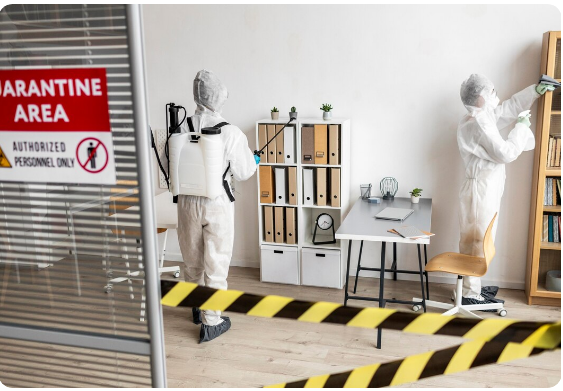
Professionals use advanced techniques to ensure effective mould remediation, safeguarding both the property and its occupants.
Case Studies of Mould in Victorian Rental Properties
Case 1: Damp Walls in Melbourne
A tenant in Melbourne discovered recurring mould patches due to poorly sealed walls. The landlord hired a professional mould remediation service, which identified rising damp as the cause. Repairs were completed promptly, preventing further damage.
Case 2: Tenant Negligence in Geelong
A tenant in Geelong regularly dried clothes indoors without proper ventilation, leading to significant mould growth. Despite adequate ventilation systems, the tenant failed to address the issue. The VCAT tribunal held the tenant accountable for damages.
Case 3: Coastal Humidity in Mornington Peninsula
A rental property in Mornington Peninsula suffered from persistent mould due to the humid coastal climate. The landlord invested in dehumidifiers and hired a mould remediation specialist to install moisture barriers. These measures successfully mitigated the problem.
Why Choose Professional Mould Removal Victoria Experts?
Hiring experts for mould removal in Victoria ensures thorough cleaning and prevention. Key advantages include:
- Accurate Assessment: Professionals identify hidden causes of mould, such as plumbing leaks or poor drainage.
- Safe Removal: They use specialised equipment to remove mould safely without spreading spores.
- Long-Term Solutions: Expert advice can prevent future occurrences, reducing long-term costs.
By prioritising professional mould remediation, landlords and tenants can maintain healthier rental properties.
Mould in rental properties is a shared responsibility. Tenants should maintain cleanliness and ventilation, while landlords must address structural and maintenance issues. For effective solutions, investing in mould removal or professional mould remediation services is essential. By working together, tenants and landlords can foster safe, healthy living environments across Victoria.
Contact us today to ensure your rental property remains a healthy and safe place to live!