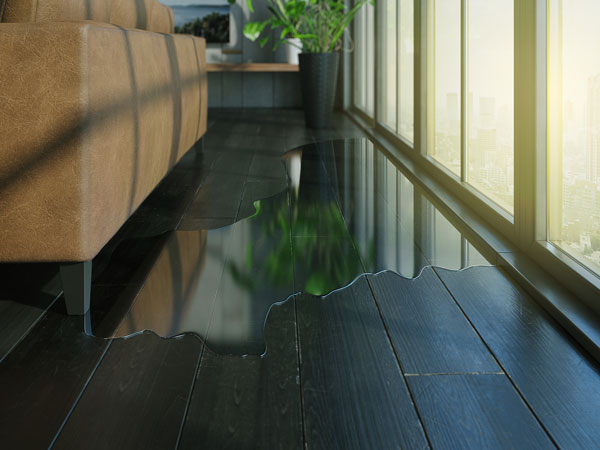
Water restoration is a critical process for anyone dealing with the aftermath of flooding, leaks, or other forms of water intrusion. Whether you are a homeowner or a business owner, addressing water damage and restoration quickly and effectively is essential to prevent further problems such as structural instability or mould growth. This article dives deep into everything you need to know about water restoration, including its key steps, the dangers of ignoring damage, and the importance of addressing water and mould damage restoration comprehensively.
Understanding Water Damage Restoration
Water restoration refers to the process of removing water from a property and restoring it to its pre-damage condition. This includes drying out the area, cleaning and disinfecting surfaces, repairing structural damage, and ensuring mould is properly mitigated. The primary goal of water damage remediation is to minimise long-term damage while ensuring the safety and functionality of the affected space.
Water-related emergencies can stem from a variety of sources, including:
- Burst pipes
- Heavy rainfall or flooding
- Appliance malfunctions, such as washing machine leaks
- Roof leaks or foundation cracks
- Sewer line backups
These incidents can lead to widespread issues that require professional water damage and restoration services to resolve effectively.
Key Steps in the Water Restoration Process
1. Initial Inspection and Assessment
The first step in any water restoration project is assessing the extent of the damage. Certified technicians use advanced tools, such as moisture meters and thermal imaging, to locate hidden pockets of moisture and evaluate structural integrity. Identifying the category of water (clean, grey, or black) also helps determine the appropriate approach to water and mould damage restoration.
2. Water Removal and Extraction
Once the assessment is complete, technicians begin extracting standing water using powerful pumps and vacuums. Quick removal is crucial in water restoration to prevent further saturation of materials like drywall, carpets, and wood flooring.
3. Drying and Dehumidification
Even after the standing water is removed, moisture can remain trapped in walls, floors, and furniture. Industrial-grade air movers and dehumidifiers are used to eliminate residual moisture. This step is essential in water and mould damage restoration, as it reduces the risk of mould growth.
4. Cleaning and Sanitising
Water damage can introduce harmful contaminants, especially if the water is from a sewage backup or a natural flood. Professional water damage restoration teams thoroughly clean and disinfect affected surfaces, ensuring that bacteria, mould spores, and odours are eliminated.
5. Repair and Restoration
The final step in water damage repair is repairing any structural damage caused by the water. This may involve replacing drywall, repainting walls, installing new flooring, or even reconstructing parts of the building. A successful water damage and restoration project leaves your property looking and functioning as it did before the incident.
Why Prompt Water Restoration Is Essential
Delaying action after water damage can lead to a host of complications, including:
- Mould Growth
Within 24-48 hours of water intrusion, mould can begin to grow in damp, dark spaces. This makes water and mould damage restoration a top priority to safeguard your indoor air quality and prevent health issues such as allergies or respiratory problems. - Structural Instability
Water can weaken structural components like wooden beams, drywall, and flooring. Left untreated, this can compromise the safety and stability of the building. Effective water damage and restoration services ensure these issues are addressed before they worsen. - Increased Repair Costs
The longer you wait to deal with water damage, the more extensive the repairs will be. Professional water restoration saves time and money by addressing the problem promptly and thoroughly. - Health Hazards
Standing water can harbour bacteria, viruses, and other pathogens, especially if the water is contaminated. Water and mould damage restoration eliminates these hazards, ensuring the safety of everyone in the affected space.
The Role of Mould in Water Damage
Mould is one of the most common and dangerous by-products of water damage. It thrives in damp, humid environments and can cause severe structural damage and health risks. When addressing water remediation, mould mitigation is often a key component of the process.
Signs of Mould Growth After Water Damage
- Musty odours
- Discoloured walls or ceilings
- Visible patches of black, green, or grey mould
- Increased allergy or asthma symptoms in occupants
Mould removal requires specialised equipment and expertise. Certified technicians in water and mould damage restoration follow strict protocols to identify, contain, and remove mould safely and effectively.
Water and Mould Damage Restoration Techniques
Proper water and mould damage restoration involves a combination of advanced techniques to ensure thorough cleanup and remediation. These include:
- Containment of Affected Areas
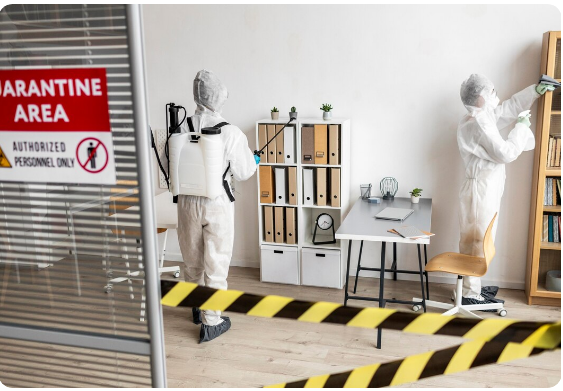
Mould spores can spread through the air during removal. Restoration teams use physical barriers and negative air pressure to contain the affected area and prevent cross-contamination. - Air Filtration
HEPA air scrubbers and filters are used to capture airborne mould spores, ensuring cleaner indoor air. - Mould Removal
Technicians use specialised equipment to physically remove mould colonies from walls, ceilings, and other surfaces. Non-porous materials are thoroughly cleaned, while porous items that cannot be salvaged are safely discarded. - Preventive Measures
To prevent future outbreaks, restoration professionals address the source of the water intrusion, whether it’s a leaky roof, cracked foundation, or plumbing issue.
Choosing the Right Water Restoration Professionals
When facing a water-related emergency, selecting the right team for water restoration and water and mould damage restoration is critical. Here’s what to look for:
1. Certifications
Choose technicians certified by the Institute of Inspection, Cleaning, and Restoration Certification (IICRC). This ensures they have the training and expertise needed for effective water damage and restoration.
2. Experience
Look for companies with a proven track record of handling similar cases. Experienced professionals are better equipped to manage complex water restoration projects.
3. Comprehensive Services
Select a company that offers both water restoration and mould mitigation. This eliminates the need to hire multiple contractors and ensures a seamless process.
4. Emergency Response
Water damage can worsen rapidly, so choose a provider that offers 24/7 emergency services to address the issue promptly.
5. Insurance Coordination
A reputable water restoration company will assist with insurance claims, providing detailed documentation and working directly with your insurer to simplify the process.
Preventing Future Water Damage
While professional water restoration services are essential for dealing with emergencies, taking preventive measures can help minimise the risk of future water damage.
- Regular Maintenance
Inspect plumbing, roofing, and gutters for leaks or signs of wear and tear. Address any issues promptly to prevent water intrusion. - Install Water Alarms
Water sensors can detect leaks early and alert you before significant damage occurs. - Improve Drainage
Ensure your property has proper drainage systems to direct water away from the foundation during heavy rains. - Seal Vulnerable Areas
Windows, doors, and other entry points should be sealed to prevent water from entering your property. - Maintain Appliances
Regularly check washing machines, dishwashers, and water heaters for leaks or signs of wear. - Create an Emergency Plan
Have a plan in place for responding to water-related emergencies. This should include shutting off the main water supply and contacting a trusted water restoration company.
Final Thoughts
Dealing with water damage is stressful, but prompt and effective water restoration can make all the difference. By addressing the immediate damage, mitigating mould growth, and repairing structural issues, professional restoration services help you regain control and restore your property to its original condition.
Remember, water and mould damage restoration is a complex process that requires specialised skills and equipment. Whether you’re facing a minor leak or major flooding, partnering with qualified professionals ensures the best results.
Taking preventive measures and working with experts in water damage and restoration will save you time, money, and unnecessary stress in the long run. With the right approach, you can protect your property and enjoy peace of mind knowing it’s in good hands.
Contact us today to learn how our expert restoration services can help restore your property quickly and efficiently.