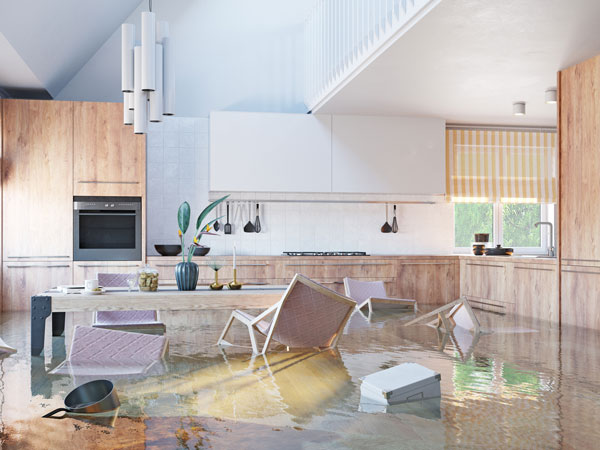
Water damage is one of the most common issues faced by homeowners in Melbourne. From minor leaks to severe flooding, water intrusion can compromise the structural integrity of your home, lead to mould growth, and create significant health hazards. Understanding the causes of water damage and how to prevent them is essential for maintaining a safe and comfortable living environment.
Victoria Restoration Experts provides professional Water Damage Restoration Services across Melbourne, helping homeowners restore their properties quickly and efficiently. In this guide, we explore the top 10 causes of water damage in Melbourne homes and provide practical tips to prevent them.
1. Roof Leaks
A damaged or poorly maintained roof is one of the leading causes of water damage in homes. Even small leaks can allow water to seep into ceilings, walls, and insulation, causing rot and mould growth over time.
Prevention Tips:
- Schedule regular roof inspections, especially after heavy rain or storms.
- Replace damaged or missing shingles immediately.
- Ensure gutters and downspouts are free from debris to prevent water backup.
2. Burst Pipes
Burst or leaking pipes can quickly flood your home, damaging flooring, walls, and personal belongings. Pipes are prone to bursting due to freezing temperatures, corrosion, or excessive water pressure.
Prevention Tips:
- Regularly inspect plumbing for signs of leaks or corrosion.
- Insulate pipes in colder areas of the home.
- Install a pressure regulator to avoid excessive water pressure.
3. Blocked Gutters and Downspouts
Blocked gutters prevent rainwater from draining properly, causing overflow that can damage your roof, walls, and foundation. Water pooling around your home increases the risk of basement flooding and structural damage.
Prevention Tips:
- Clean gutters and downspouts at least twice a year.
- Install gutter guards to reduce debris accumulation.
- Check that downspouts direct water away from the foundation.
4. Faulty Appliances
Appliances such as washing machines, dishwashers, and water heaters can cause unexpected water damage if they malfunction or develop leaks. A burst hose or malfunctioning valve can flood an area quickly.
Prevention Tips:
- Inspect appliance hoses and connections regularly.
- Replace old or damaged hoses promptly.
- Consider installing water leak detectors for early warning.
5. Poor Drainage Around the Property
Improper drainage around your home can lead to water pooling near the foundation, seeping into basements or crawl spaces, and causing structural damage over time.
Prevention Tips:
- Ensure the ground slopes away from your home.
- Use French drains or drainage channels in problem areas.
- Regularly inspect landscaping for signs of standing water.
6. Flooding from Heavy Rain
Melbourne’s seasonal storms can result in localized flooding, overwhelming homes and gardens. Even minor flooding can cause extensive water damage if not addressed promptly.
Prevention Tips:
- Install flood barriers or sandbags in vulnerable areas.
- Elevate valuable appliances and electronics off the ground.
- Ensure your home insurance policy covers flood damage.
7. Sewer Backups
Sewer line blockages or backups can create a serious health hazard in addition to water damage. Contaminated water from sewage can quickly infiltrate floors, walls, and furniture.
Prevention Tips:
- Avoid flushing non-degradable items down toilets.
- Schedule routine sewer line inspections.
- Consider installing a backwater valve to prevent sewage backup.
8. Cracks in Walls or Foundation
Even small cracks in walls or the foundation can allow water to enter, leading to structural deterioration and mould growth. Water intrusion can be gradual but highly damaging over time.
Prevention Tips:
- Inspect your home’s foundation and walls regularly.
- Seal any visible cracks with appropriate waterproofing materials.
- Consult professionals for larger structural issues.
9. Window and Door Leaks
Leaky windows and doors can allow water to enter your home during heavy rainfall. Water stains, warped flooring, and damaged walls are common consequences of such leaks.
Prevention Tips:
- Check and replace worn weatherstripping.
- Apply waterproof sealants to frames and edges.
- Ensure windows and doors are properly aligned and closed.
10. Poor Maintenance of Water Fixtures
Leaks from taps, showerheads, and toilets can lead to unnoticed water damage over time. Even minor drips can accumulate, causing staining, mould growth, and structural weakening.
Prevention Tips:
- Inspect all water fixtures regularly.
- Fix leaks immediately to prevent long-term damage.
- Use water-efficient fixtures to reduce wear and tear.
Understanding the Risks of Water Damage
Water damage is not only a structural concern. It can also lead to:
- Mould growth: Even minor water exposure can create conditions for mould, affecting indoor air quality.
- Health hazards: Stagnant water and sewage contamination can spread bacteria and allergens.
- Property depreciation: Unaddressed water damage reduces home value and can make selling difficult.
Professional Water Damage Restoration Services ensure all moisture is removed and properties are fully restored to prevent further complications.
How Water Damage Restoration Works
When water damage occurs, professional restoration typically involves:
1. Assessment: Identifying affected areas with moisture meters and thermal imaging.
2. Water Extraction: Removing standing water with high-powered pumps.
3. Drying Process: Using industrial dehumidifiers and air movers to prevent mould.
4. Cleaning and Sanitisation: Disinfecting affected areas, especially if contaminated.
5. Mould Prevention: Applying antimicrobial treatments to surfaces.
6. Repair: Restoring structural components, flooring, and walls.
7. Final Inspection: Ensuring all water and moisture have been eliminated.
Preventive Tips for Homeowners in Melbourne
- Schedule routine inspections for roofs, gutters, and plumbing.
- Install water leak detectors for early warnings.
- Keep appliances maintained and replace old hoses or valves.
- Ensure proper drainage and landscaping around the home.
- Have an emergency plan for floods or sewer backups.
These preventive steps can save homeowners significant repair costs and protect their property from long-term water damage.
Conclusion
Water damage can happen to any Melbourne home, and the effects can be severe if not addressed promptly. By understanding the causes of water damage in Melbourne, taking preventive steps, and seeking professional Water Damage Restoration Services, homeowners can protect their property, health, and peace of mind.
Victoria Restoration Experts provides comprehensive Water Damage Restoration solutions across Melbourne, handling everything from water extraction and drying to mould prevention and structural repairs. Contact us today to safeguard your home against water damage and restore it to its original condition.
Frequently Asked Questions (FAQs)
1. How quickly should water damage be addressed?
Water damage should be addressedimmediately, ideally within 24–48 hours, to prevent mould growth and structural issues.
2. Can I handle water damage cleanup myself?
DIY cleanup is risky. Professionals use specialized equipment to remove hidden moisture and prevent secondary damage.
3. What causes water damage in Melbourne homes the most?
Common causes include roof leaks, burst pipes, blocked gutters, flooding, and appliance malfunctions.
4. How long does the water damage restoration process take?
The timeline depends on the extent of damage, but most restorations take a few days to a week, including drying, cleaning, and repairs.
5. Does water damage restoration include mould prevention?
Yes. Professional restoration services include mould remediation and preventive treatments to avoid future growth.