
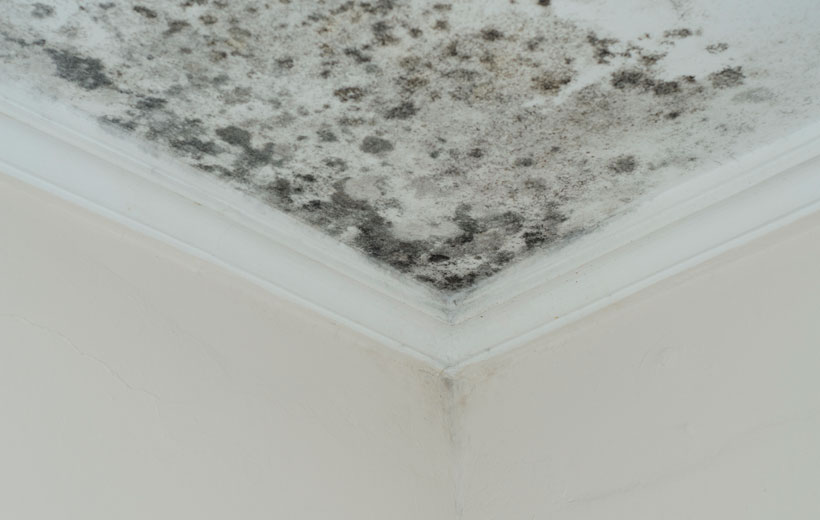
If you’ve noticed patches of black, green, or fuzzy mould creeping into your home—you’re not alone. In Victoria, mould isn’t just a seasonal nuisance. It’s a recurring issue in many homes, driven by climate, building materials, poor ventilation, and high humidity. But while mould can technically grow anywhere, certain areas in Victoria are more prone to stubborn infestations.
In this article, we’ll break down which suburbs and regions see the most mould problems, what makes them high-risk, and how professional mould restoration services step in to deal with the damage. Whether you live in Melbourne’s leafy east or along the coast in Geelong, this guide is your go-to for understanding the mould situation in your local area.
Why Does Mould Thrive in Victoria?
Victoria’s weather shifts dramatically—from chilly winters to humid summers—and mould loves that. Add in long periods of rain, older housing stock, and rising damp from poor drainage, and you’ve got a perfect storm for fungal growth.
Humidity and condensation are the biggest triggers. Areas with high rainfall, limited sun exposure, or poor airflow are especially vulnerable.
Mould Hotspots Across Victoria
1. Inner Melbourne Suburbs (Carlton, Fitzroy, Brunswick)
Older terrace homes and ageing apartment blocks are everywhere in the inner city. These buildings often have outdated ventilation, single-glazed windows, and sometimes hidden leaks. Mould frequently forms in bathrooms, kitchens, ceilings, and poorly sealed basements.
Why these suburbs?
- High-density living
- Poor airflow
- Lots of heritage-listed properties with limited structural updates
2. Dandenong Ranges (Belgrave, Olinda, Monbulk)
Nestled among dense forest and higher elevations, this region is beautiful—but damp. Constant shade and heavy rainfall combine with wood-heavy structures to create mould-prone interiors. Locals regularly deal with ceiling spots, rotting skirting boards, and mouldy cupboards.
Why it matters:
Frequent call-outs for mould removal in Victoria happen right here, especially during wet winters.
3. Geelong and the Surf Coast (Torquay, Anglesea)
Being near the coast doesn’t just bring sea breezes. It also brings salty moisture that seeps into homes. Many houses in this region have issues with rising damp, especially older weatherboard properties that lack modern waterproofing.
This area sees a strong demand for mould restoration services due to:
- High humidity
- Salt-laden air
- Flood-prone areas during heavy storms
4. Gippsland Region (Traralgon, Moe, Warragul)
Gippsland is a mould hotspot for a different reason. Heavy rainfall, combined with colder winters, keeps moisture trapped indoors. Older homes and limited access to natural ventilation mean mould has plenty of time to settle and spread unnoticed.
5. Western Suburbs of Melbourne (Werribee, Sunshine, Melton)
Rapid urban development in this region has left many homes built with cheap materials or poor drainage systems. Combine that with flooding risks and patchy ventilation in newer estates, and you get a mould issue that needs long-term intervention, not just a scrub.
Common Mould Trouble Zones in the Home
Even within the same postcode, the severity of mould can vary. In almost every mould-affected house across Victoria, the culprits are the same:
- Bathrooms with no extractor fans or limited window airflow
- Kitchens with leaking sinks or poor exhaust
- Ceilings and roof cavities with unsealed gaps or past storm damage
- Basements and garages with insufficient drainage
- Built-in wardrobes near exterior walls with cold spots
These areas often need more than just surface cleaning. That’s where mold remediation in Victoria becomes necessary to get rid of spores from the root source.
The Health Impact of Mould in Victoria Homes
Mould isn’t just ugly. It’s a health risk—especially for kids, the elderly, or people with asthma or allergies. Common symptoms triggered by mould include:
- Persistent coughing and wheezing
- Eye and skin irritation
- Sneezing or sinus congestion
- Fatigue and headaches
Ignoring mould doesn’t just risk property damage—it risks long-term health complications. That’s why residents in affected areas are increasingly turning to professional mould restoration instead of attempting to mask the issue.
When to Call a Professional Mould Restoration Service
If the mould in your home:
- Covers more than a square metre
- Keeps coming back even after cleaning
- Has a musty smell that lingers
- Appears after water leaks or flooding
…it’s time to skip DIY and call the experts.
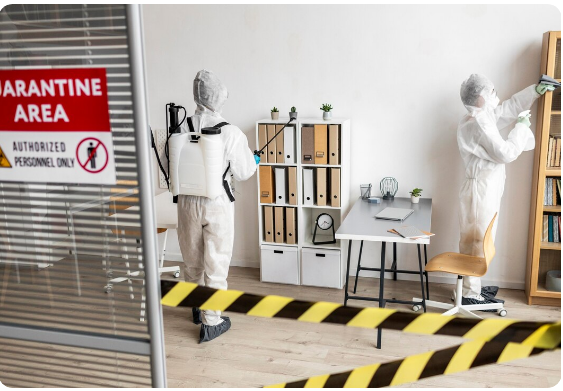
Professional teams use commercial-grade equipment and certified safety protocols to inspect, remove, and treat mould permanently. In high-risk areas like Gippsland or Dandenong Ranges, early professional intervention can save thousands in future repair costs.
What to Expect from Mould Restoration Services
The process generally involves:
- Thorough Inspection – Including moisture readings and source identification
- Containment – To prevent spores from spreading
- Air Filtration and Ventilation – Using HEPA-grade filters
- Mould Removal and Treatment – From walls, ceilings, vents, and more
- Drying and Prevention Advice – Fixing underlying causes (leaks, poor ventilation, etc.)
These services go beyond surface cleaning—they target moisture sources, spores, and future growth.
Prevention Tips If You Live in a High-Risk Area
While not all mould is avoidable, these steps make a big difference:
- Use dehumidifiers, especially during winter
- Ensure your bathroom has a working exhaust fan
- Open windows regularly for airflow
- Check for roof leaks or rising damp every season
- Use mould-resistant paint and sealants
Frequently Asked Questions (FAQ)
How do I know if the mould in my home is dangerous?
Mould that appears black, spreads rapidly, has a strong musty odour, or reappears even after cleaning may be toxic or deeply rooted. It’s best to get a professional assessment to avoid health risks and structural damage.
Is professional mould restoration covered by insurance?
In some cases, yes—particularly if mould resulted from storm or water damage that your insurer covers. Always check your policy and get a detailed report from a licensed provider like Victoria Restoration Experts to support your claim.
How long does the mould removal process take?
It depends on the extent of the damage. Smaller jobs may take a few hours, while full remediation involving structural drying and repairs could span several days. Victoria Restoration Experts will give you a clear timeline after the inspection.
What’s the difference between mould removal and mould remediation?
Mould removal refers to cleaning the visible surface, while mould remediation tackles the root cause and prevents future growth. Victoria Restoration Experts offers both removal and complete remediation for long-term results.
Can I stay in my home during mould remediation?
This depends on the severity of the contamination. For minor cases, you may be able to stay. For larger or toxic infestations, temporary relocation might be recommended for safety reasons.
Worried About Mould? Get Help From the Experts
If you live in a mould-prone area of Victoria and you’re seeing signs of growth in your home, don’t wait for it to get worse. Let Victoria Restoration Experts handle it with industry-certified mould remediation, detailed inspections, and long-term prevention solutions.
From Melbourne to Geelong, Gippsland to the Dandenong Ranges — we’ve helped thousands of residents restore their homes, health, and peace of mind.
- Free inspection quotes
- Fully insured and IICRC-certified technicians
- Fast response and local service across Victoria
Visit www.vicre.com.au or call now to book your professional mould restoration service.